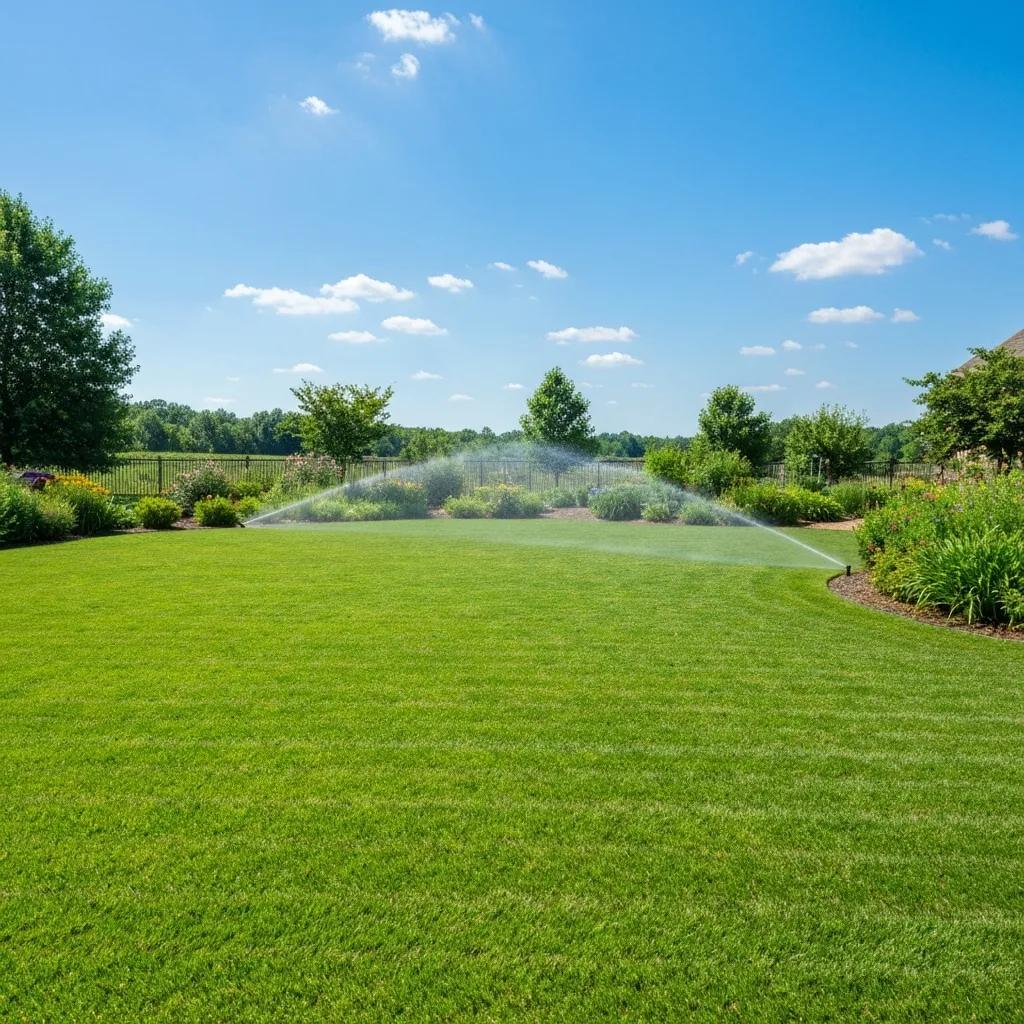
How to Create the Perfect Lawn Watering Schedule

by | Nov 17, 2025 | Blog

Create the ideal watering schedule for a healthy Central Arkansas lawn

A reliable watering schedule gives your lawn the right amount of water at the right times so roots grow deep, turf weathers dry spells, and disease is less likely to take hold. The best approach is deep, less-frequent watering that trains roots to reach cooler, more consistent soil layers — which improves long-term turf health and cuts down on surface fungal problems. In Central Arkansas, seasonal rain patterns, the grasses we commonly use, and local soil types all affect how much and how often you should water. This guide breaks it down: weekly water targets, simple measuring steps, recommended times of day, schedules by grass and soil type, why deep watering helps, and seasonal tweaks for our region. You’ll also find easy at-home tests and practical schedules for Bermuda, Zoysia, and fescue lawns. If you’d rather have a pro handle it, Apex Lawn Care provides local, hands-on help with watering plans and seasonal services like fall leaf cleanup and winter mowing. Next, we’ll quantify weekly needs and show how to measure them accurately.

How much water does your lawn need each week?

As a practical rule, most established lawns need about 1 to 1.5 inches of water per week during the growing season to support healthy roots and steady growth. That amount focuses moisture in the root zone and balances losses from evapotranspiration. It’s a good target for common Central Arkansas turf like Bermuda, Zoysia, and tall fescue while helping avoid the surface moisture that encourages fungal issues. Measuring how much water your system actually delivers turns sprinkler runtime into inches so you can tune heads and avoid under- or overwatering. The table below compares common local grasses, typical weekly inches, recommended session frequency, and suggested session lengths to reach about one inch where possible.

This table shows typical weekly water needs for common lawn grasses.

Grass TypeWeekly InchesRecommended Session FrequencySuggested Session Duration
Bermuda1.0–1.51–2 sessions per week20–40 minutes per station depending on head output
Zoysia1.0–1.251–2 sessions per week25–45 minutes per station for even coverage
Tall Fescue1.0–1.5 (cool-season peaks)1–3 sessions per week in warm spells15–30 minutes per station, split sessions advised

Warm-season grasses generally do well with fewer, deeper waterings while cool-season types like fescue may need more flexible timing during hot stretches. Use these figures to convert runtime into inches and decide when to add measurement tools for accuracy.

What watering depth builds strong grass roots?

Target how far moisture reaches into the soil — for many warm-season turfgrasses that’s about 6–8 inches. Wetting this zone encourages roots to grow deeper where moisture is steadier, which improves drought tolerance and reduces the need for frequent light watering. Use a soil probe or screwdriver after irrigating to check that moisture reached the intended depth without leaving the surface saturated. That check also shows whether thatch or compaction is slowing infiltration, which leads into how to measure water amounts and set run times correctly.

How to measure lawn watering amounts accurately

Measuring your system turns minutes into inches so you can meet weekly goals and avoid overwatering that invites fungus. The easiest method uses a few flat containers — tuna cans or simple rain gauges — scattered across a zone while it runs. Measure the average fill after a fixed runtime to calculate inches per minute. For system calibration, run each zone alone, note how many minutes deliver 0.25 inch, and scale from there to reach roughly 1 inch per week across sessions. Soil moisture sensors offer added precision by reporting volumetric moisture directly. Recheck calibration seasonally so your schedule follows actual output, not just assumed numbers.

When is the best time to water for the greatest efficiency?

Early morning — typically between 5:00 and 10:00 AM — is the most efficient window. Cooler air and calmer winds reduce evaporation and help water move into the root zone while allowing leaf surfaces to dry before night. That shorter wet period cuts disease risk. On commercial sites or shady areas you may need small timing tweaks to avoid foot traffic or local irrigation rules, but morning remains the best general guidance. The next section explains the plant physiology behind morning watering and when you might make exceptions.

Morning watering works because lower temperatures and lighter winds lower evaporation and boost infiltration. Water moved into the soil before daytime evapotranspiration peaks gives roots time to absorb moisture, improving overall water use efficiency. Shorter leaf wetness in the morning also reduces the window for fungal spores compared with evening watering. With that in mind, there are a few situations where different timing makes sense.

Why is early morning the optimal time to water?

Early morning combines lower temperatures and calmer winds, which means more of what you apply reaches roots instead of drifting away. Plants are gearing up for the day — stomata open and photosynthesis begins — so providing moisture then helps cooling and healthy growth. Shorter periods of wet foliage also lower fungal risk compared with night watering, which can keep leaves damp for many hours. That said, newly seeded or sodded areas may need different, lighter timing until established.

Should you avoid watering in the evening or at midday?

Evening watering tends to extend leaf wetness into the night, increasing disease risk. Midday watering is inefficient — hot conditions drive evaporation so much of the water never gets to the root zone. Exceptions include newly installed sod or seed that needs frequent light surface moisture, or very windy sites where a midday run reduces drift; in those cases split sessions or short, focused runs for establishment are reasonable. These timing choices tie directly into frequency and soil adjustments discussed next.

How often should you water based on grass and soil type?

Watering frequency depends on both the turf species and your soil texture. Sandy soils drain fast and typically need shorter, more frequent runs to keep the root zone moist, while clay soils hold water and benefit from fewer, deeper applications to avoid runoff. For example, warm-season Bermuda on loam usually does well with one to two deep sessions a week, while fescue on sandy fill may need more frequent split sessions. The table below summarizes soil behavior, suggested frequency, and depth targets.

Soil TypeInfiltrationRecommended FrequencyWatering Depth Target
SandyFast drainage2–3 short sessions per week6 inches (split sessions)
ClaySlow infiltration1–2 deep sessions per week6–8 inches with slow application
LoamBalanced1–2 sessions per week6–8 inches standard target

Soil texture largely determines how long and how often you should run each zone. Use a simple jar test or a probe to identify your soil and apply the right schedule. Next we’ll look at warm-season species common to Central Arkansas.

What do Bermuda and Zoysia need?

Bermuda and Zoysia prefer deep, less-frequent watering that soaks the root zone to about 6–8 inches. During peak summer heat, aim for one to two sessions per week totaling about 1–1.5 inches. If your soil is compacted, split sessions to prevent runoff. Watch for under-watering signs like a bluish-gray tint and slow spring recovery; overwatering shows as spongy turf, extra disease spots, and shallow roots. Reading those signs helps you fine-tune timing and keep water use efficient.

How does soil type change watering frequency?

Soil type controls water retention and how fast water moves through the root zone. Sandy soils need shorter, more frequent cycles to avoid leaching; clay soils need slower, deeper runs to let water soak in without pooling. Loam generally follows the 1–1.5 inch per week guideline with fewer tweaks. Matching controller settings to your real soil behavior — and considering aeration or organic amendments — helps your system deliver water where roots can use it.

Maximize Lawn Drought Resilience with Deep Watering

Deep watering means applying water slowly and long enough to wet the entire root zone. That encourages roots to grow downward into more stable moisture reserves and reduces reliance on frequent shallow cycles. The result is better drought resilience, quicker recovery after heat stress, and less disease because the canopy stays drier. Below are three primary benefits and a preview of practical steps to make deep watering work for your lawn.

Key benefits of deep watering:

  • Stronger, deeper roots that tap stable moisture and boost drought tolerance.
  • Fewer irrigation cycles and lower overall water use thanks to improved efficiency.
  • Less disease pressure because leaf and thatch wetness is reduced.

These advantages make deep watering a core part of a healthy lawn program. The next section explains how it affects root growth and disease control.

How does deep watering encourage strong root systems?

Deep watering tells roots to explore downward toward steady moisture, building a denser root mass that supports the plant during dry periods. Frequent light watering keeps roots near the surface where they’re vulnerable in heat. Aim to wet the soil 6–8 inches and allow recovery between sessions to encourage deeper rooting; use a probe to check progress. Pairing deep watering with aeration and soil health work removes compaction and thatch that otherwise block penetration.

How does deep watering reduce lawn disease?

By reducing how long leaves and thatch stay wet, deep watering lowers the conditions pathogens need to germinate and spread. Shallow, frequent cycles and evening runs prolong surface moisture and increase disease risk. Combine deep watering with aeration, dethatching, and prompt leaf removal to shrink disease habitat and improve spring green-up. These steps fit into seasonal maintenance practices discussed next.

How should you adjust watering through the seasons in Central Arkansas?

Adjusting by season saves water and protects turf through growth cycles and dormancy. In spring, start with moderate runs to support root and shoot growth; in summer, increase during heat spells while watching rainfall and stress signs; in fall, taper back and remove leaf cover to avoid smothering; and in winter, water only during extended dry spells for warm-season turf and prioritize leaf cleanup and winter mowing to prevent trapped moisture and disease. The table below gives a quick seasonal reference for Central Arkansas.

Seasonal watering quick-reference for Central Arkansas.

SeasonTypical Growth BehaviorWeekly Water RecommendationPro Notes
SpringActive root and shoot growth0.5–1.0 inch, ramp as temperatures riseStart gradual increase after last frost; aerate as soil warms
SummerPeak growth and heat stress1.0–1.5 inches per week during hot spellsMonitor for drought stress; deep water to reduce frequency
FallSlowing growth toward dormancy0.5–1.0 inch, taper late fallReduce late-season fertilization and remove leaves promptly
WinterDormant for warm-season grassesMinimal; irrigate only in extended dry periodsPrioritize leaf cleanup and winter mowing to prevent smothering

This seasonal plan helps you know when to push water delivery and when to pull back. Proper watering plus timely leaf cleanup reduces disease and helps lawns survive winter — which is where services like winter mowing and leaf removal can be especially useful.

Preparing turf for dormancy and preventing winter moisture problems is easier with help: Apex Lawn Care & Mowing provides fall and winter leaf removal plus year-round maintenance that pairs with reduced late-season irrigation. Their commercial and residential services — mowing, leaf removal, aeration, overseeding and more — work alongside irrigation adjustments to protect turf through colder months. Hiring pros can save time and ensure leaf piles and winter mowing don’t undo your watering plan. Next we’ll cover how professionals refine schedules and run irrigation audits.

Spring and summer watering recommendations

In spring, start with lighter, slightly more frequent runs to support new root growth without over-saturating cool soils — aim for 0.5–1.0 inch per week early on and ramp up as temperatures climb. During summer, keep to about 1–1.5 inches per week delivered in one or two deep sessions to reduce stress during heat waves. Always adjust after rainfall and consider soil moisture sensors if you want more precision. For larger commercial properties, stagger zone runtimes to limit evaporation and ensure even coverage across different exposures and hardware.

How to change watering for fall and winter

As temperatures drop, cut back frequency and switch to maintenance-level irrigation that avoids drought stress without encouraging late-season growth — typically 0.5–1.0 inch weekly before dormancy. Leaves trap moisture and shade turf, which increases disease risk, so remove them promptly and follow conservative winter mowing heights to avoid matting. In Central Arkansas, time your final irrigation runs to local temperature trends, then let lawns enter dormancy while scheduling leaf cleanup. Many property owners choose professional fall leaf removal and winter mowing to make sure these steps happen at the right time.

How can professional lawn care improve your watering schedule?

Pros add value by running irrigation audits, calibrating systems, and building schedules that match each landscape’s grass type and soil. Technicians measure precipitation rates by zone, adjust heads for even coverage, and recommend smart controller settings or manual schedules tuned to your site. On larger properties, routine maintenance keeps the plan on track and aligns seasonal tasks like aeration and dethatching with watering so roots get the most benefit. Below are practical ways professionals support healthier turf and smarter water use.

What professional services typically do for you:

  • Perform irrigation audits and adjust sprinkler heads so each zone gets accurate, even water.
  • Create custom schedules for residential and commercial sites based on grass species, soil, and usage.
  • Combine seasonal services — aeration, overseeding, fall leaf cleanup, winter mowing — to protect turf and complement irrigation plans.

Why work with Apex Lawn Care for watering and maintenance?

Apex Lawn Care & Mowing offers residential and commercial services that back up good irrigation with practical maintenance. Their services include mowing, hedge trimming, leaf removal, ornamental pruning, flower bed weeding, dethatching, scalping, aeration, plant installation, mulching, and seasonal cleanups that reduce disease risk and improve water infiltration. Pairing irrigation checks with tasks like aeration and leaf cleanup helps water reach roots more effectively and lowers the chance of smothering or fungal problems. If you want a tailored watering plan and professional upkeep, Apex handles local execution that fits best practices.

How fall leaf cleanup and winter mowing support lawn health

Removing leaves and mowing properly in winter prevents smothering, improves light and air flow, and stops trapped moisture that can lead to fungal outbreaks during cool, wet periods. Clearing leaf litter also helps soil warm and thaw evenly in late winter, so spring watering and aeration produce uniform green-up. Hiring professionals ensures full removal without mats and consistent mowing that avoids scalping or leaving pest habitat. Contact Apex Lawn Care to schedule fall cleanup and winter mowing that work with your watering plan and protect your landscape investment.

  • Schedule seasonal cleanup: Book leaf removal in late fall to prevent smothering and cut disease habitat.
  • Maintain winter mowing practices: Mow conservatively to avoid matting while protecting crown health.
  • Coordinate with irrigation: Time final irrigation cycles around cleanup to avoid wet, compacted conditions.

Frequently asked questions

What should I consider when creating a lawn watering schedule?

Think about grass type, soil texture, local climate, and the season. Different grasses need different amounts, and soil governs how fast water drains or holds. Watch local weather and your lawn’s condition — signs of drought or overwatering help you fine-tune timing and amounts.

How can I tell if my lawn is overwatered?

Overwatering shows up as a spongy feel underfoot, standing water, a bluish-gray blade color, more fungal spots, and shallow roots. If the lawn feels mushy or water pools, cut back on frequency or runtime and check soil moisture regularly.

What tools help measure soil moisture?

Use soil moisture sensors, handheld moisture meters, or a simple probe. Sensors give continuous data; a probe or screwdriver lets you check how far moisture reached after watering. Those checks help you set runtimes with confidence.

How does aeration affect watering efficiency?

Aeration reduces compaction and allows water, air, and nutrients to reach roots more easily. Those holes help roots grow deeper and improve how the lawn uses water, so you can often reduce watering frequency after aerating.

What are signs my lawn needs more water?

Look for a dull bluish-gray color, wilting blades, footprints that stay visible, or grass that doesn’t spring back after being stepped on. If turf feels dry and brittle, it likely needs more water.

Can I use rainwater for irrigation, and how do I collect it?

Yes. Rainwater is a great option — use rain barrels under downspouts or a larger catchment system. Keep collection areas clean and monitor rainfall so you adjust irrigation accordingly and avoid overwatering.

How should I change my schedule during extreme weather?

In heatwaves, increase frequency or duration while keeping sessions deep to promote rooting. After heavy rain, pause irrigation to avoid overwatering. Checking forecasts and your soil moisture will guide good adjustments.

Conclusion

A practical watering schedule keeps your Central Arkansas lawn healthier, saves water, and lowers disease risk. Match watering to your grass type and soil, measure what your system delivers, and favor deep, monitored runs over frequent shallow cycles. For hands-on help, Apex Lawn Care & Mowing offers local expertise and seasonal services that pair with smart watering plans. Ready for a greener, healthier yard? Reach out to Apex to get a tailored plan and professional maintenance that fits your property.